

Mid-lease inspection for rental apartments: what to include
Many owners check the property only at move-in and move-out. That creates risk because small problems can remain hidden for months. A mid-lease inspection helps prevent breakdowns, disputes and larger repair costs.
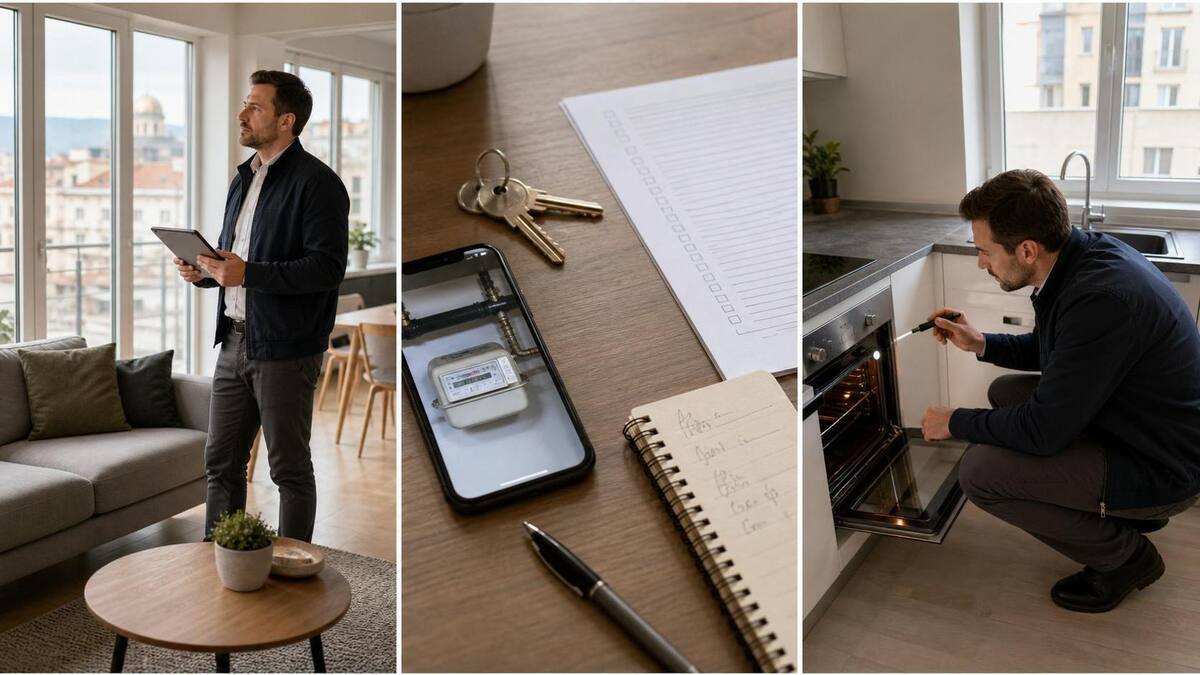
Rental apartment inspection: what to check first
This approach helps the owner make a clearer decision without relying on assumptions or isolated listings. The goal is for the reader to apply at least one practical check immediately after reading.
Planning and respectful communication
The inspection should be arranged in advance and follow the rental agreement and the tenant’s reasonable availability. Tone matters: the goal is not pressure or surprise, but care for the property and normal living conditions.
What to check inside the apartment
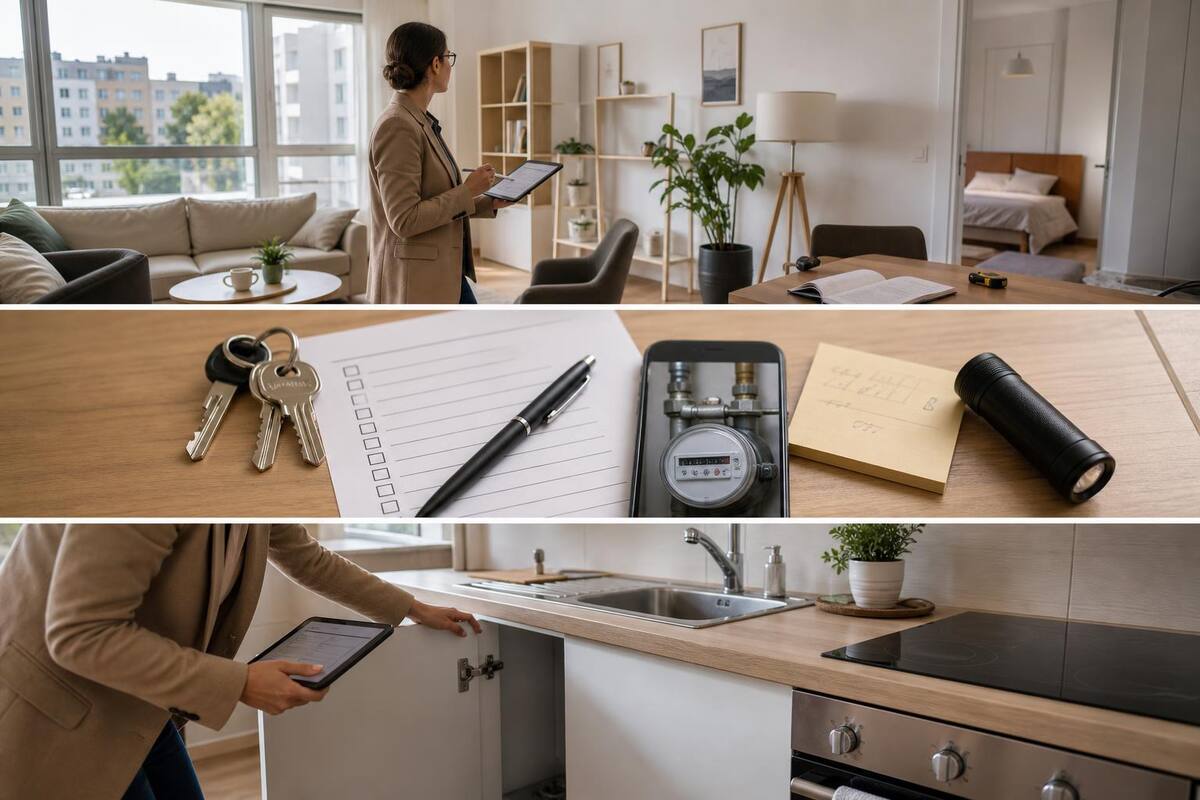
Start with the kitchen and bathroom: appliances, drains, taps, signs of leakage, mould or poor ventilation. Check windows, doors, locks, air conditioning, boiler, washing machine and furniture condition. Do not forget the balcony and relevant common-area issues near the entrance or mailbox.
Photos, notes and readings
Document only what matters: visible defects, repairs to follow up, and utility readings where relevant. A short note with date, photos and agreed actions reduces the risk of future disagreement.
What to do when there is a problem
Separate issues into urgent, important and cosmetic. Water leaks and electrical risks need immediate action. For other repairs, agree on timing, budget and who will coordinate the technician. Clear communication is as important as the repair itself.
Why it helps both owner and tenant
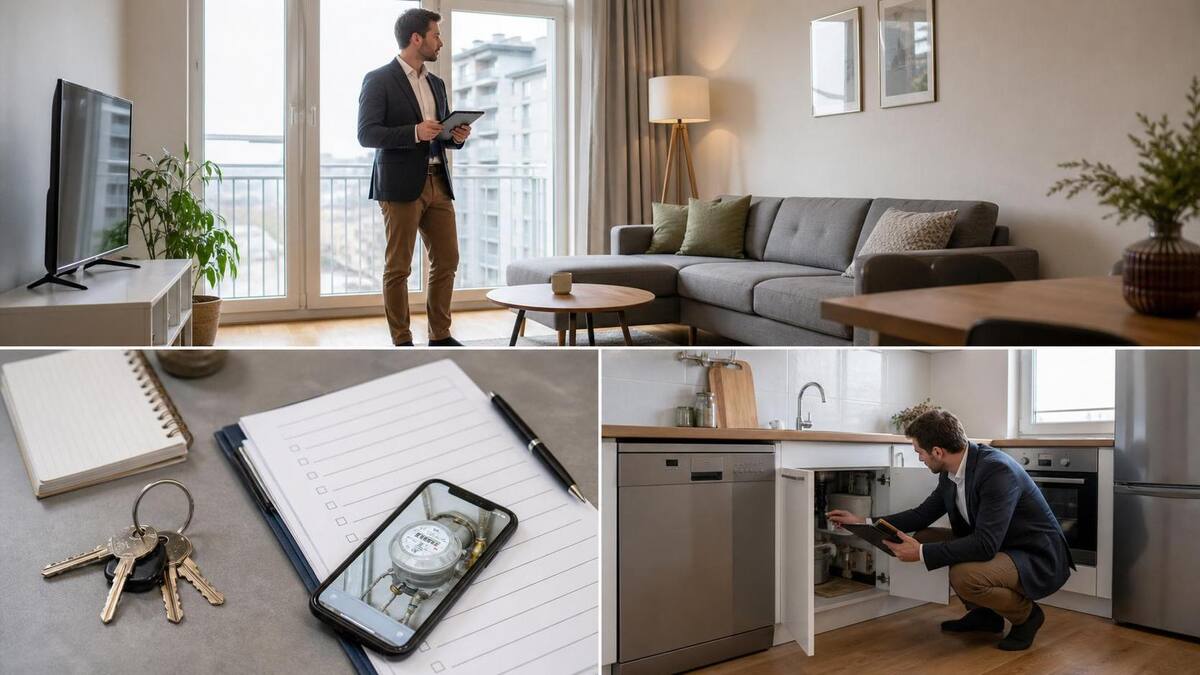
The owner gains confidence that the apartment is maintained. The tenant sees that reported problems are taken seriously. This often supports a longer tenancy, less tension and better property condition at move-out.
Top Kvartiri can organize inspections, tenant communication and repairs for your rental apartment in Sofia.
Prepare before the visit
Before the inspection, prepare the move-in report, appliance list, recent repair notes and any questions from the tenant. This keeps the visit short and specific. If a checklist is shared in advance, the tenant understands the purpose and the inspection feels less like distrust.
Signals that should not be ignored
Moisture marks, loose sockets, noisy appliances, leaking drains, broken hinges and poor ventilation often start as small inconveniences. When they are caught early, repairs are cheaper and less disruptive for normal use of the apartment.
Close the inspection properly
After the visit, send a short summary: what was checked, what is fine, what needs repair and by when. This protects both sides. The owner has a record, and the tenant sees that agreed actions will not be forgotten.
What to do after reading
The best next step is not to leave the decision to instinct alone. Write down the numbers, timing and risks for your property, then decide which actions can be taken this week. This turns the topic into a manageable process instead of a last-minute problem.
If the owner does not have time to track these details personally, the process should be handled with a clear checklist and regular feedback. That reduces missed issues and makes property management more predictable.
Next practical step
If you want the decision to be based on real numbers, property condition and a clear plan, start with a short assessment of the apartment and your goals.
Conclusion
The conclusion is simple: good property management is not a one-time action, but a consistent process with clear numbers, checks and communication. When the owner has structure, decisions become calmer and the risk of missed issues is lower.



Comments