

How Preventive Property Care Creates Trust
Trust in property management is not created only by finding a tenant. It comes from the owner knowing that the apartment is being watched, that issues are noticed early and that important decisions are explained. Preventive care is one of the most practical ways to create that trust.

1. Start with a clear condition check
Before an apartment is actively marketed or before a new tenant moves in, it is useful to complete a simple condition check: doors, windows, lights, appliances, bathroom, kitchen, heating, keys, visible wear and overall presentation. The goal is not to overcomplicate the process. The goal is to reduce surprises.
What should be fixed immediately.
What can be monitored but is not urgent.
What would improve the apartment’s presentation for candidates.
2. Small repairs protect big trust
A dripping tap, loose handle or broken socket may look small, but to a tenant it signals how the property is cared for. To the owner, it can become a larger cost later. When small issues are handled on time, everyone feels the apartment is managed professionally.
3. Explain the context behind every cost
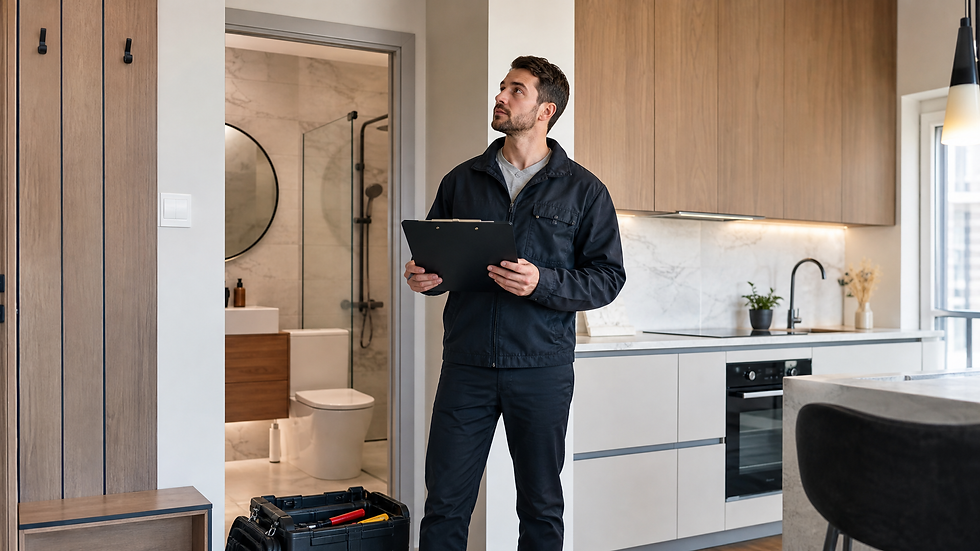
Costs are sensitive. That is why repair recommendations should be specific: what the issue is, what the risk is, how urgent it is and what may happen if it is delayed. This helps the owner make decisions calmly instead of feeling pressured.
4. Report after action is completed
After work is completed, a short report is valuable: what was done, when it was done and what the result was. Even a brief update proves that the process has been closed. This matters especially for owners who cannot inspect the apartment personally.
5. Preventive care also improves tenant trust
Tenants build trust when they see that the property is maintained. A clear response, respectful tone and realistic repair timeline reduce tension. The owner gets calmer management, and the tenant gets a better living experience.
For Top Kvartiri, this topic can be communicated as a practical principle: trust is built by caring before a small issue becomes a big one. It protects the property, supports rental income and improves communication with the owner.
How to turn preventive care into a process

Preventive care works best when it is not random. It can be divided into simple stages: initial condition review, check during tenant change, response to reported issues and periodic monitoring of repeated problems. The process does not need to be complicated, but it should be consistent.
Before renting: review condition, functionality and presentation.
At move-in: confirm keys, appliances and visible notes.
During tenancy: respond quickly to issues and communicate realistic timelines.
At move-out: compare with the starting condition and recommend next steps.
Why this matters for income
A property that is maintained on time is more likely to keep good tenants and present better when it is rented again. This does not mean spending money unnecessarily. It means separating urgent issues from cosmetic improvements and making decisions with long-term value in mind.
What the owner gains
The owner gains peace of mind because the apartment is not managed only when there is a crisis. Issues are tracked, costs are explained and decisions are prioritized. This is a stronger signal of professionalism than promising that problems will never happen.
A good process does not promise zero problems; it creates control
It is important to communicate realistically: every property may need a repair, adjustment or intervention. Trust does not come from promising that nothing will ever happen. It comes from the confidence that when something happens, there is order: the issue is received, checked, explained and solved in the most reasonable way.
This matters especially for owners who are not in Sofia every day. For them, professional management is not only about someone opening the door when needed. It is about someone filtering information, prioritizing decisions and returning with a clear recommendation.


Comments