Rental Vacancy Period: How Owners Can Reduce Lost Income
- 6 days ago
- 2 min read
The time between two tenants is one of the quietest costs for a rental owner. There may be no dispute and no large repair invoice, but every day without a signed lease reduces the real return from the apartment.
A practical plan for the rental vacancy period
A rental vacancy period is reduced before the listing goes live: with the right price, a prepared apartment, clear photos, fast communication and a viewing plan. That makes the result less dependent on luck.
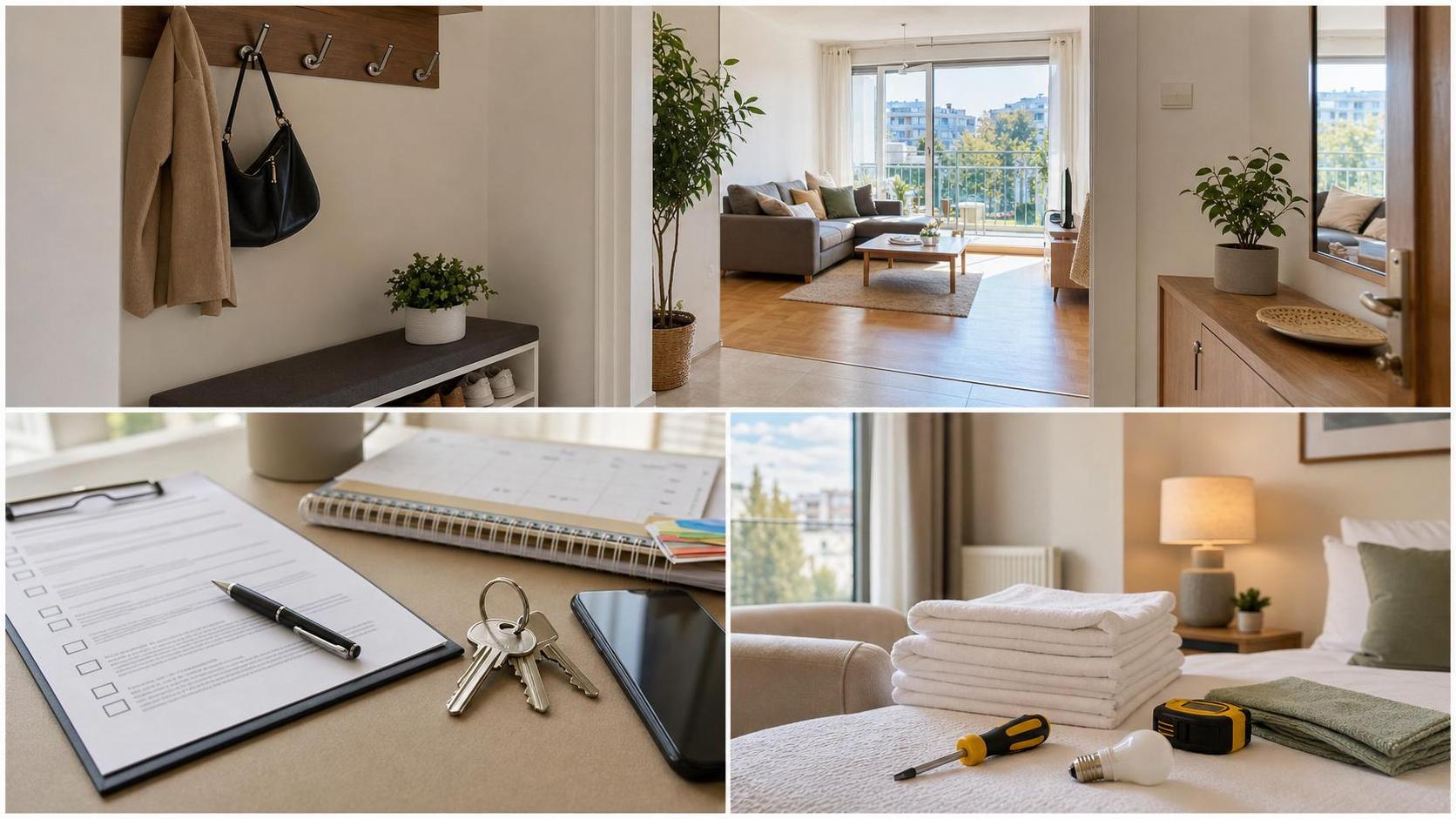
Start with a realistic price, not a wish
The most common reason for delay is a price that does not match the condition, location or competing offers. Owners should compare similar homes, but also account for floor level, furnishing, running costs, access and move-in readiness.
It is better to set a clear price range and review date than to let the listing sit for weeks without feedback. If there are no enquiries or viewings, the adjustment should be timely.
Prepare the apartment before the first viewing
Small misses often create a sense of risk: a broken light, signs of previous use, missing keys, unclear instructions or a minor repair still waiting. The applicant sees not only the apartment, but also how it will be managed.
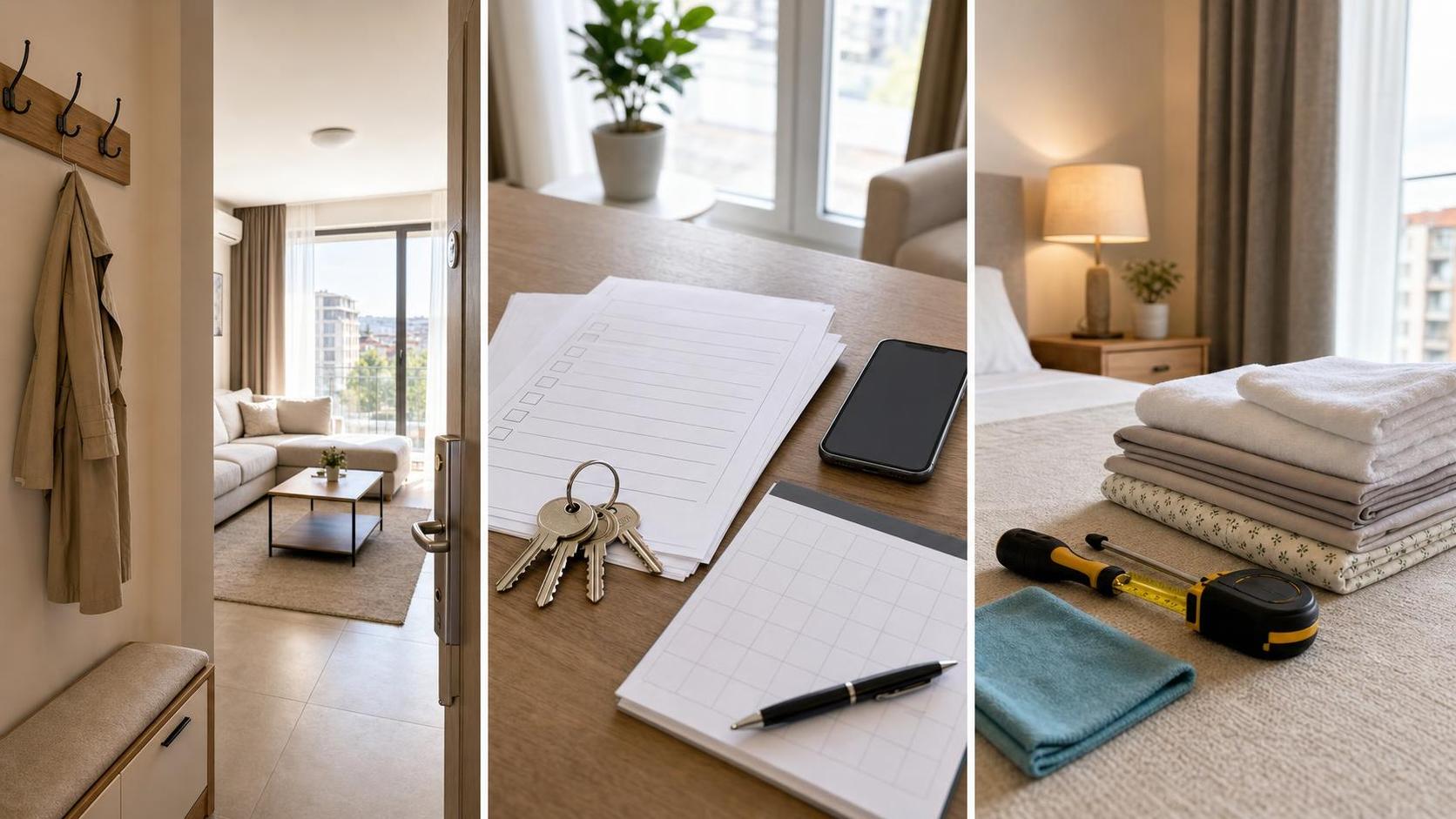
Organize viewings without delay
When replies are slow, good tenants move to another property. Someone needs to know when the apartment can be shown, what conditions are offered and which questions should be clarified before the viewing.
Confirm available viewing times in advance.
Prepare the main lease conditions before calls.
Record feedback after each viewing.
Watch for objections that repeat.
Read the market signals
If many people view the listing but few enquire, the issue may be photos or price. If viewings happen but no offer follows, the reason is often condition, terms or uncertainty about maintenance. These signals should be tracked, not guessed.
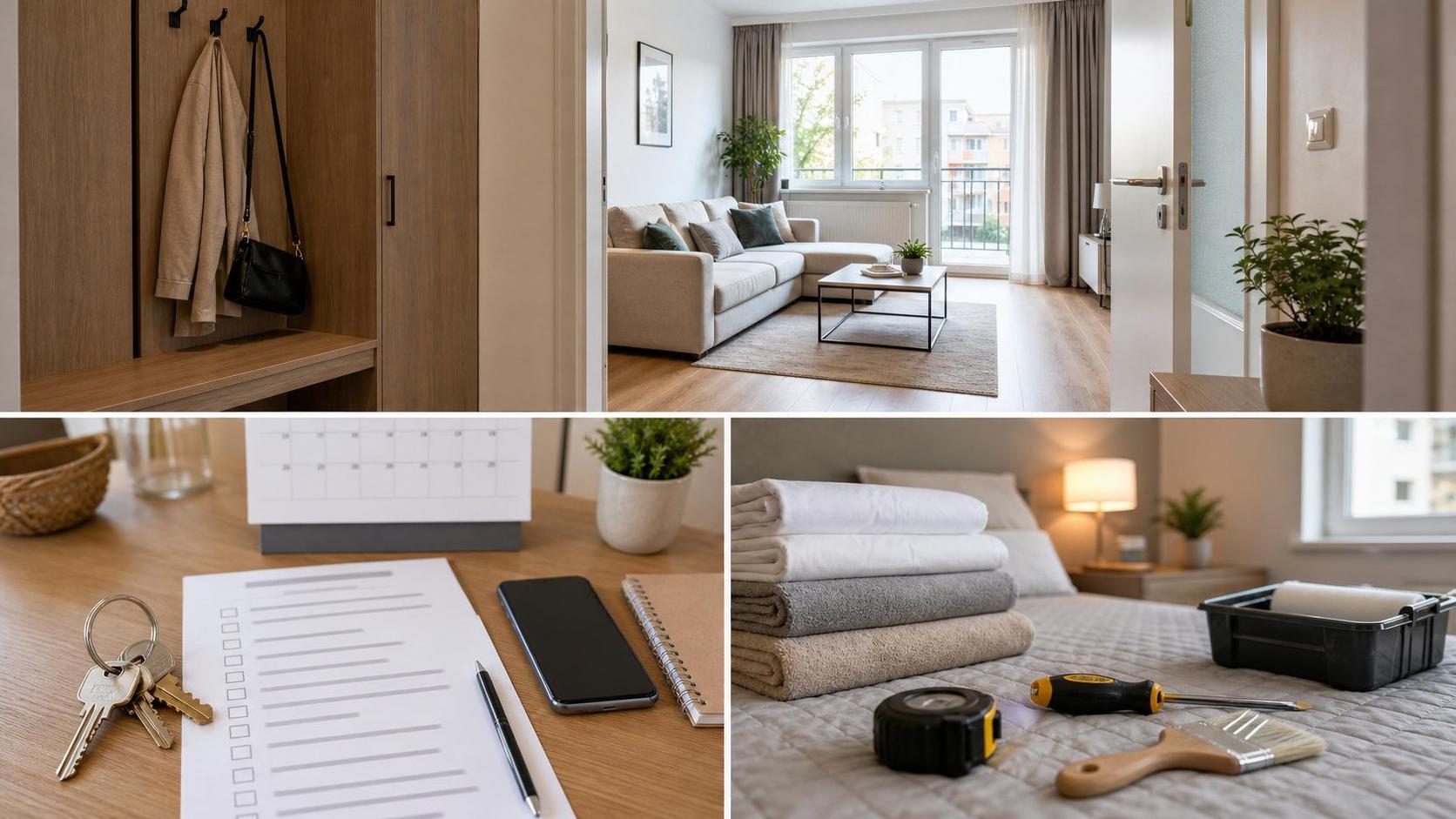
Do not lose time between decision and lease
Once the right applicant is selected, documents, deposit, inventory and handover should be ready. A delay at this stage can send the process back to the beginning. Good organization protects both the owner and the future tenant.
When professional support makes sense
If the owner lives outside Sofia, has limited time for viewings or has already missed good applicants, local organization can reduce losses. The important part is concrete action: preparation, communication, reporting and quick decisions on minor issues.
With a managed process, vacancy is not treated as unavoidable. It is measured, reviewed and reduced through clear steps.
A short weekly review helps the owner stay in control: how many enquiries arrived, how many viewings happened, which objections repeated and what action is next. This rhythm shows whether the issue is price, presentation or the apartment's readiness.
When those decisions are made on time, the apartment keeps momentum and the owner is not left waiting passively for the next applicant.
Conclusion
The best way to shorten a rental vacancy period is to make the apartment ready, keep pricing realistic and respond quickly. That helps the owner protect income and make decisions from evidence, not last-minute pressure.


Comments