

Lease Renewal for Rental Apartments: How Owners Can Keep a Good Tenant
When a reliable person already lives in the apartment, the best rental result is often not a new listing. It is a timely lease renewal for rental apartments that keeps income steady, avoids empty days, and reduces the risk of replacing a good tenant with an unknown candidate.
For the owner, renewal should not be treated as a quick signature in the final week. If the conversation starts too late, the tenant may already be viewing other homes and the owner is forced into rushed decisions about price, repairs and timing. A better result comes from starting early and using clear facts.
Start with the quality of the current tenancy
Before offering a new term, review how the current agreement has actually performed. Were payments on time, was communication clear, were repair requests reasonable, has the apartment been cared for, and were there any complaints from neighbours or the building manager? These details show whether the tenant is worth keeping.
The assessment should be practical rather than emotional. A tenant may have asked for several repairs and still be responsible, cooperative and careful with the apartment. Another tenant may pay on time but delay access for inspections or report damage too late. Lease renewal decisions should reflect the full operating picture.
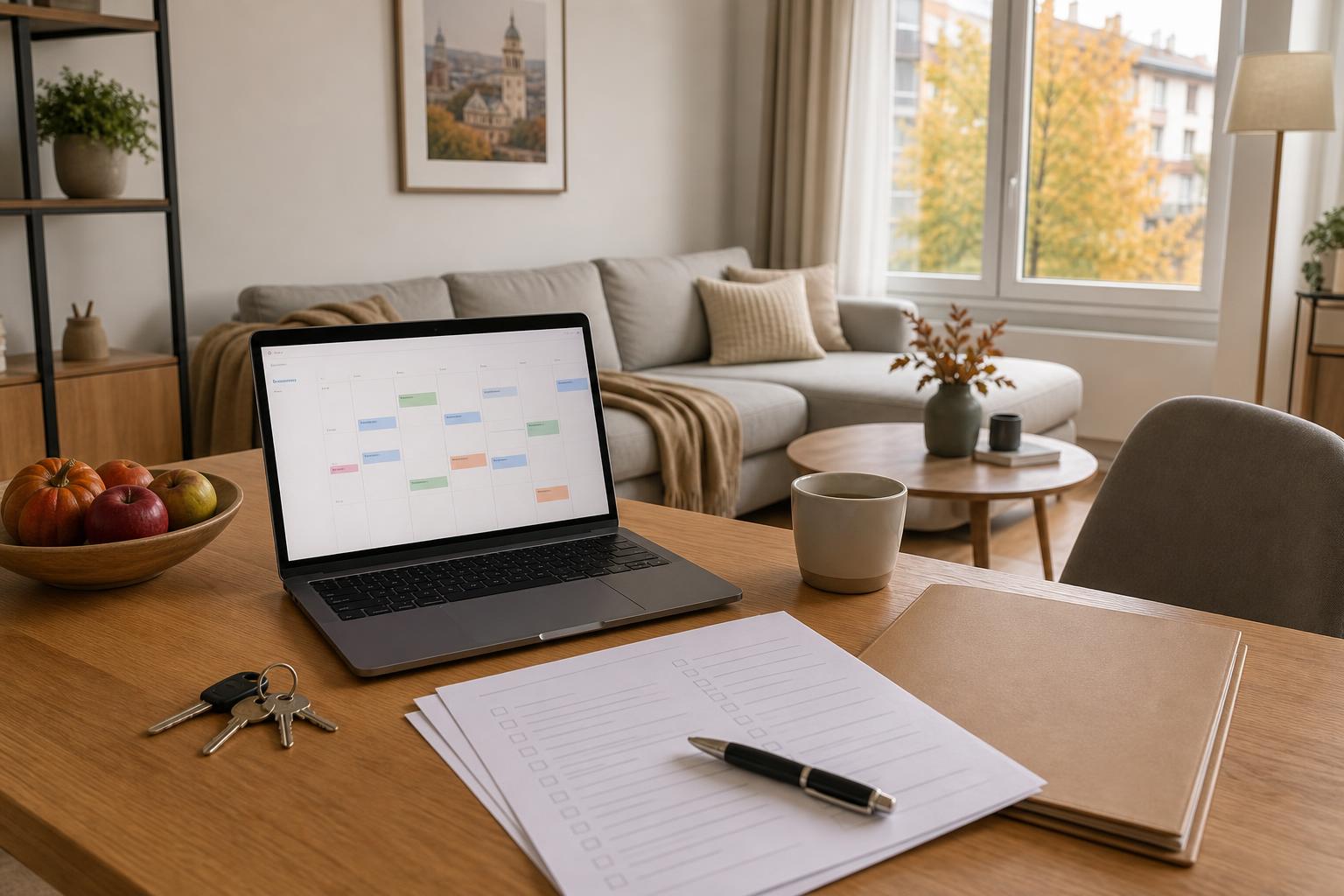
Lease renewal for rental apartments should begin before the final month
A calm timeline usually means opening the discussion 30 to 45 days before the agreement ends. This gives time to check the market, inspect the apartment, agree any small repairs and prepare the renewal documents. If the tenant does not want to stay, the owner still has time to plan a listing instead of reacting to vacancy.
At this stage, compare the current rent with realistic offers for similar apartments, but do not simply copy the highest advertised price. Asking price is not the same as achieved rent. Keeping a good tenant at a fair adjustment can produce a stronger annual result than losing a month of income while searching for someone new.
Review payment history and any open utility issues.
Schedule a short condition check with proper notice.
Compare rent against realistic offers in the same area.
Send a written proposal with term, price and responsibilities.
Price should protect income without creating avoidable vacancy
Owners often focus only on the monthly figure, but the annual net result matters more. If a sharp increase pushes out a reliable tenant, the empty period, new photos, viewings, minor repairs and risk of a weaker replacement can quickly erase the expected gain. Renewal pricing should balance market movement with continuity.
A clear explanation helps. The proposal may include a measured indexation, a longer term, or specific improvements that make the new price easier to understand. When the tenant sees the reasoning, the discussion stays calmer. When they receive only a higher number, refusal becomes more likely.
Small improvements can cost less than a new vacancy
Renewal is a useful moment to fix the small issues that make everyday living harder: a slow drain, a worn lock, poor lighting, an old mattress, an unreliable appliance, or unclear instructions for bills and building access. These details are rarely major renovation work, but they strongly affect whether a tenant wants to stay.
The owner does not need to promise everything. It is better to agree a short list: what will be done before the new term, what can wait, and who will coordinate access. This turns renewal into visible property care instead of a vague exchange of promises.
Written documents prevent future confusion
A verbal agreement may feel enough when the relationship is good, but it creates risk when the first dispute appears. The renewal addendum should state the term, rent, deposit, payment method, utility responsibilities, access rules and process for reporting repairs. If furniture or appliances have changed, update the inventory as well.
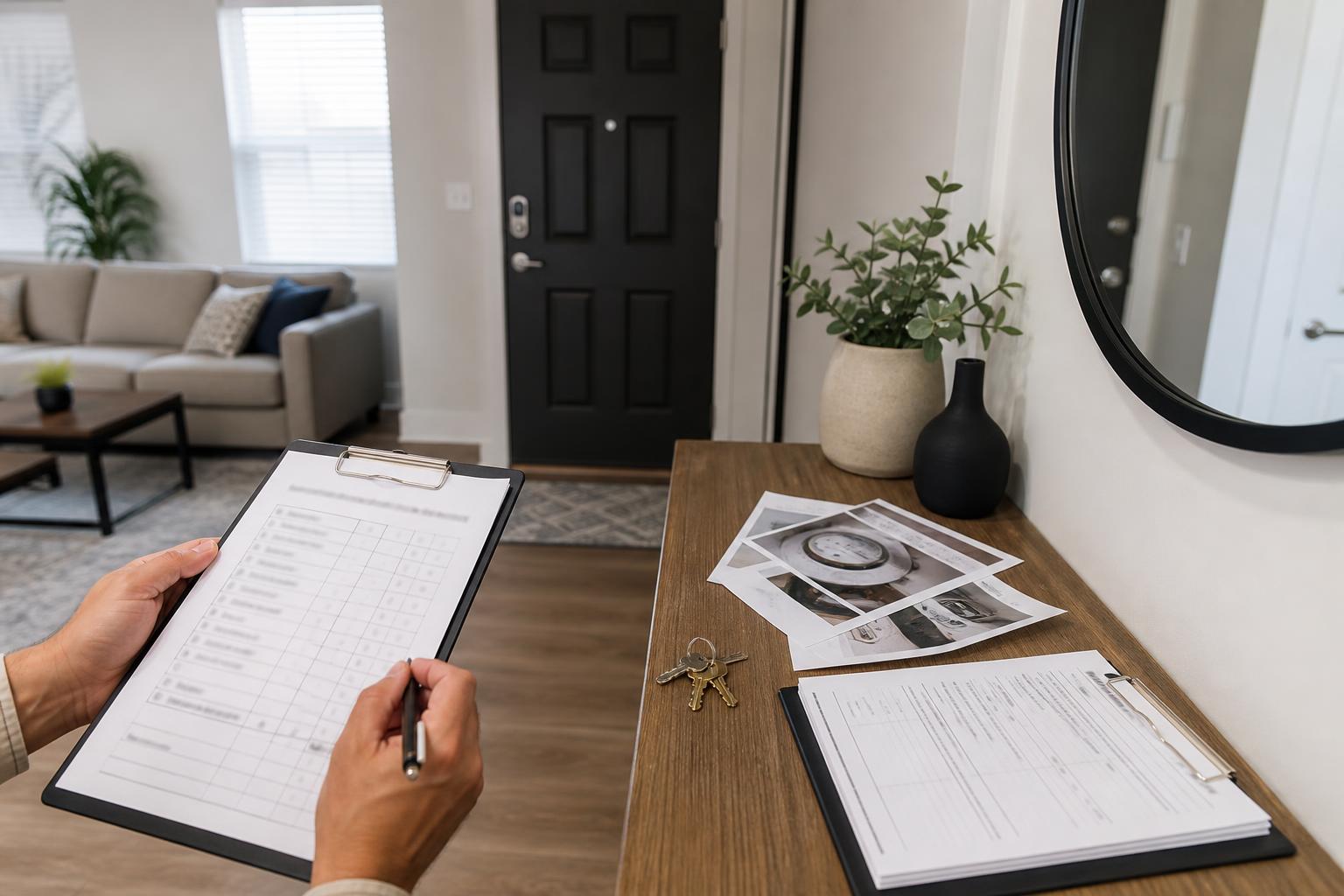
Photos from the condition check are also useful. They are not a pressure tactic; they are normal documentation. When owner and tenant work from the same information, future conversations about damage, repairs and responsibilities are much clearer.
When renewal is the wrong choice
Not every tenancy should continue. Repeated late payment, ignored rules, refusal of reasonable access for repairs or poor care of the apartment are signals that a higher rent will not solve the problem. In those cases, the better decision may be planned move-out, careful refreshment and a stronger screening process for the next tenant.
The professional approach is to avoid waiting until the final day. If the decision is not to renew, notice periods, communication and handover should be handled clearly. This reduces conflict and helps the apartment return to the market in better condition.
Conclusion
A good lease renewal for rental apartments is more than continuing the old terms. It is an owner decision based on tenant quality, realistic pricing, timely communication, documents and small improvements that protect the income stream. For owners who want this handled calmly, structured property management in Sofia can make the renewal process clearer and easier to control.


Comments